
Paver Steam Cleaning
Professional, high-heat steam cleaning that safely removes mold, algae, stains, and buildup without damaging your pavers or washing out joint sand.

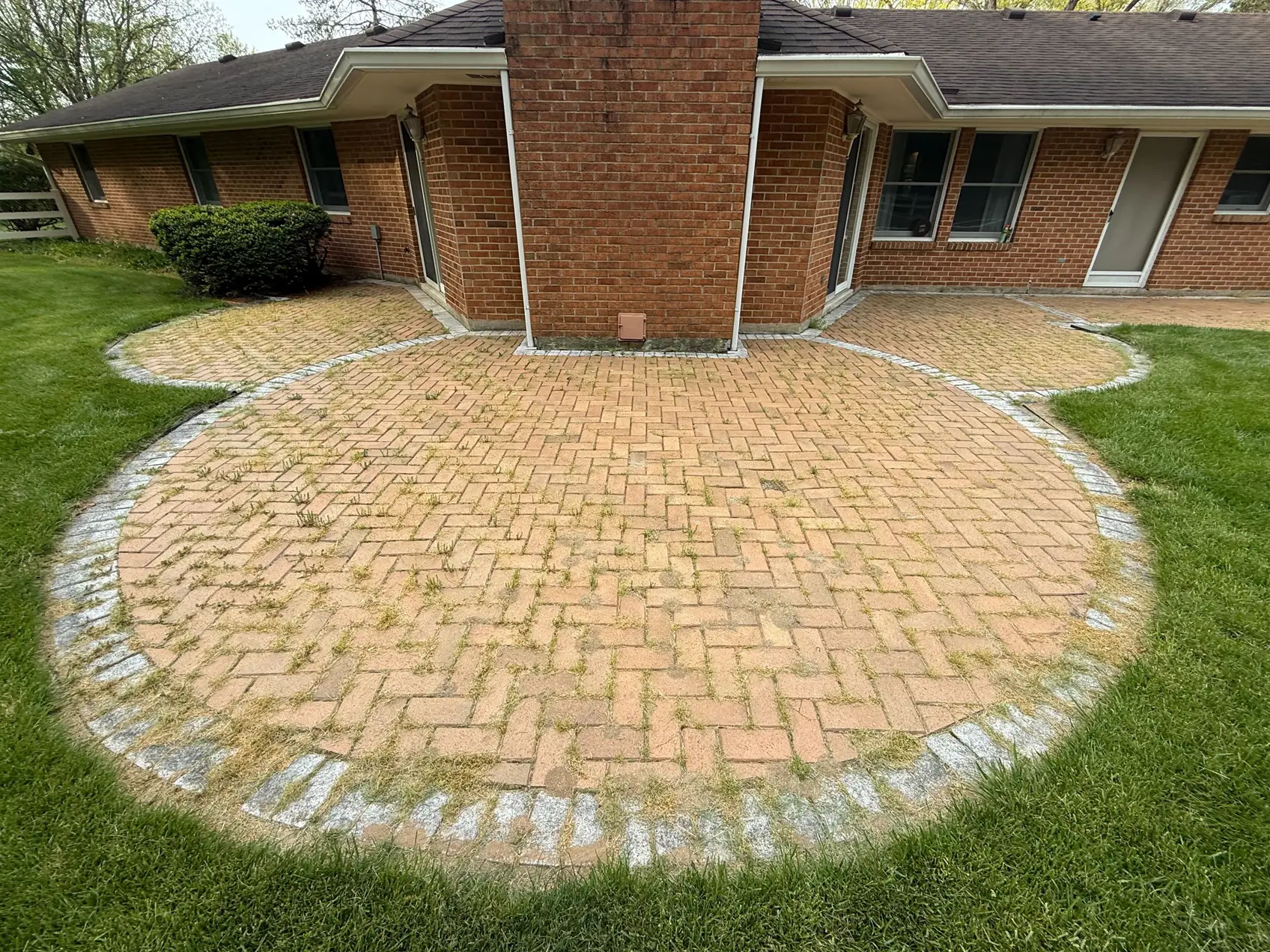
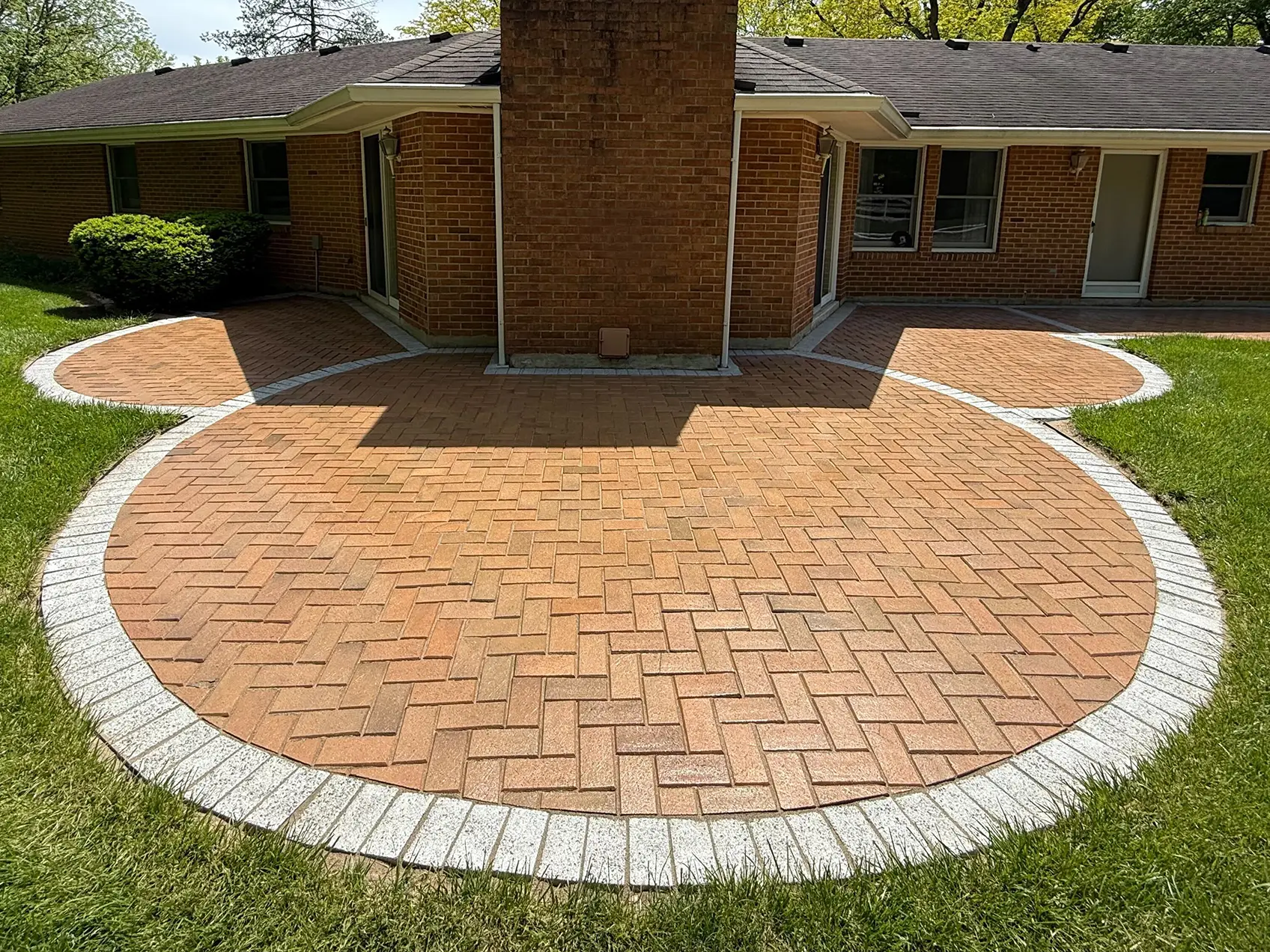
Perfect Paver Co is a premium paver restoration and installation company trusted by homeowners who want results that last. We use a system-based approach to paver cleaning, paver sealing, and paver repair.
Whether your surface is covered in mold, sinking in areas, or simply faded from years of sun and rain, we address the root cause. Our steam-based cleaning and structural repair process restores beauty while protecting the long-term integrity of your pavers.
We deliver long-lasting results through expert service, careful surface restoration, and solutions that make your outdoor spaces beautiful places to make memories.
Our team corrects structural and surface issues such as uneven areas, failing edges, sinking steps, and compromised joints before completing the restoration process.
Our proven process restores color, stabilizes joints, protects surfaces, and extends the life of your pavers for a transformation that makes them look stunning.
As a locally trusted company with professional in-house crews, we take pride in delivering quality work and standing behind every project we complete.
We focus on a defined group of service areas to maintain quality and consistency. If your state isn’t listed, we’re not currently operating there.
We’re not a franchise. Perfect Paver Co is one company with permanent teams in each state we serve, all operating under the same standards, systems, and training.
Yes. Every state we operate in has dedicated local team members who work exclusively in that market. These are not traveling crews—they are full-time employees focused on your area.
No. We do not use subcontractors. Every person you interact with is a trained employee of Perfect Paver Co, which allows us to maintain consistent quality, communication, and accountability.
Yes. Every team follows the same proven process, uses the same materials, and is trained to the same standards. That consistency is a core part of how we operate.
Because we have dedicated crews in each market, we’re able to schedule efficiently within each state. Timing depends on current demand, but we’ll provide a clear timeline when you request an estimate.
Yes. We’ve completed thousands of projects across the states we serve. Click into your state to view real projects and see what you can expect.
Yes. Climate plays a major role in how paver systems age and what type of maintenance they require.
Florida’s humidity, rain, and organic growth create conditions where mold, algae, and joint sand erosion are common. Surfaces can stay damp for long periods of time, especially around pools, shaded patios, and landscaping beds. This environment allows organic growth to develop quickly if surfaces are not properly maintained.
Ohio, Indiana, and Illinois experience freeze–thaw cycles that cause expansion and contraction in the ground. When moisture beneath the surface freezes during winter, the soil expands. When it thaws, the soil contracts again. Over time, this movement can cause the base beneath pavers to shift slightly, which may lead to uneven areas, small dips, or minor separation between pavers.
Georgia properties often deal with intense sun exposure, red clay soil movement, and organic buildup from surrounding trees. Clay soils expand when they absorb water and shrink during dry periods. These cycles can slowly influence the stability of the base beneath pavers.
A process designed specifically for local environmental conditions helps ensure longer-lasting results and a more stable paver surface.
Homeowners in each region can expect the same professional process for paver cleaning, paver sealing, paver repair, joint stabilization, and new paver installation. Our goal is to deliver consistent quality and long-lasting results regardless of location.
While the services themselves remain the same, the approach is adjusted based on local environmental conditions. By combining consistent service standards with region-specific expertise, we ensure every project is completed with the same level of quality and care.
Florida’s combination of humidity, shade, and frequent rainfall creates the perfect environment for algae, mold, and organic growth.
Pool decks, patios, driveways, and walkways can all develop discoloration when moisture remains on the surface for extended periods. As algae and mold spread across the surface, pavers may begin to appear dark, dull, or green. In addition to affecting appearance, organic buildup can also create slippery conditions, especially on pool decks and walkways.
Routine professional cleaning removes these contaminants and helps restore the natural color of the pavers. With proper maintenance, Florida homeowners can maintain bright, clean outdoor surfaces that remain inviting throughout the year.
In colder climates like Ohio, Indiana, and Illinois, the ground experiences seasonal changes that affect the stability of paver surfaces.
During winter, moisture in the soil freezes and expands. When temperatures rise in the spring, the frozen ground thaws and contracts again. This repeated cycle can slowly influence the base beneath a paver system.
Over time, homeowners may begin to notice small changes such as slight unevenness, low spots in certain areas, or pavers that feel loose when walked on. These shifts are often gradual and may not become noticeable until several seasons have passed.
While this movement is common in freeze–thaw climates, addressing minor issues early can help prevent more significant structural problems later. Periodic evaluation and maintenance help keep paver surfaces level, safe, and visually appealing.
Yes. Georgia properties often face unique conditions that affect how paver systems perform over time.
One of the primary factors is clay soil. Unlike sandy soils that drain easily, clay retains moisture and expands when wet. During dry periods, it contracts and shrinks. This natural expansion and contraction can gradually influence the base beneath paver surfaces.
Georgia properties also experience long periods of strong sunlight during the warmer months. Continuous sun exposure can slowly cause paver surfaces to fade or lose some of their original color vibrancy. Routine maintenance and occasional restoration help maintain both the appearance and structural stability of outdoor surfaces in Georgia’s climate.
Yes. The frequency of maintenance can vary depending on regional climate conditions and the surrounding environment.
In Florida, higher humidity and frequent rainfall encourage faster organic growth. Because of this, homeowners often benefit from more frequent cleaning to keep surfaces bright and free from algae or mold buildup.
In Ohio, Indiana, and Illinois, maintenance schedules are often influenced by winter weather conditions. Spring is a common time to evaluate paver surfaces after freeze–thaw cycles have occurred, ensuring any minor shifts or settling are addressed early.
In Georgia, maintenance timing may be influenced by sun exposure, seasonal pollen, and organic debris from nearby trees. Surfaces exposed to heavy landscaping may require occasional cleaning to maintain their appearance.
A customized maintenance plan based on local climate and property conditions helps ensure pavers remain stable, clean, and visually appealing throughout the year.
Yes. Soil conditions play an important role in how paver systems perform over time.
Florida properties often sit on sandy soil that drains quickly. While this drainage can be beneficial, sandy soil may shift more easily if edge restraints weaken or if the base beneath the pavers is compromised.
Ohio, Indiana, and Illinois properties often have denser soils that retain moisture during colder months. When this moisture freezes and expands during winter, it can place pressure on the base layer beneath pavers.
Georgia’s clay soils behave differently from both sandy and dense soils. Clay expands when wet and contracts when dry, which can slowly influence the surface above it.
Understanding how these soil conditions affect paver systems allows restoration work to be approached with long-term stability in mind.
Coastal environments introduce additional environmental factors that can influence paver surfaces.
Salt in the air, higher humidity levels, and strong ultraviolet exposure can all contribute to surface wear over time. Salt exposure may gradually affect certain materials, while strong sunlight can accelerate fading if surfaces are left unprotected. Coastal properties also tend to experience stronger seasonal storms, which can contribute to debris buildup and surface staining.
Routine cleaning and maintenance help preserve the appearance of pavers in coastal areas while protecting them from long-term environmental damage.
Shaded areas often retain moisture longer than surfaces exposed to direct sunlight.
When moisture remains on pavers for extended periods, it creates an environment where mold, algae, and organic growth can develop more easily. This is particularly common in humid regions such as Florida and Georgia. Properties with heavy tree cover may also experience additional debris such as leaves, pollen, and organic stains that settle on the surface.
Regular cleaning and maintenance help remove this buildup and prevent long-term discoloration or surface deterioration.
A contractor familiar with your region should understand how climate, soil, and environmental factors affect paver systems over time. This allows professionals to anticipate common issues, recommend appropriate maintenance schedules, and apply restoration methods suited to local conditions.
Choosing a contractor with regional knowledge like Perfect Paver Co helps protect your investment and ensures your outdoor space continues to perform well for years to come.
Whether it’s fading color, shifting pavers, failing joints, or just a space that doesn’t feel inviting anymore, Perfect Paver Co is here to help and get your pavers looking great again.
Request your free estimate today.


Built on decades of hands-on experience, Perfect Paver Co doesn’t just clean—our team is obsessed with perfection. Let’s restore your outdoor spaces!