About Perfect Paver Co
We don’t take shortcuts. Our in-house technicians communicate clearly so you feel confident in your project.

Before you hire a contractor, it helps to understand how they work.
Our team is trained in-house and focused on doing the job right, using tried-and-true methods designed to deliver long-lasting results. From the first conversation to the final walkthrough, we communicate clearly so you always know what to expect.

About Perfect Paver Co
We don’t take shortcuts. Our in-house technicians communicate clearly so you feel confident in your project.
What We Do
See what sets Perfect Paver Co apart and why clients across the United States choose us.
Our Paver Restoration Process
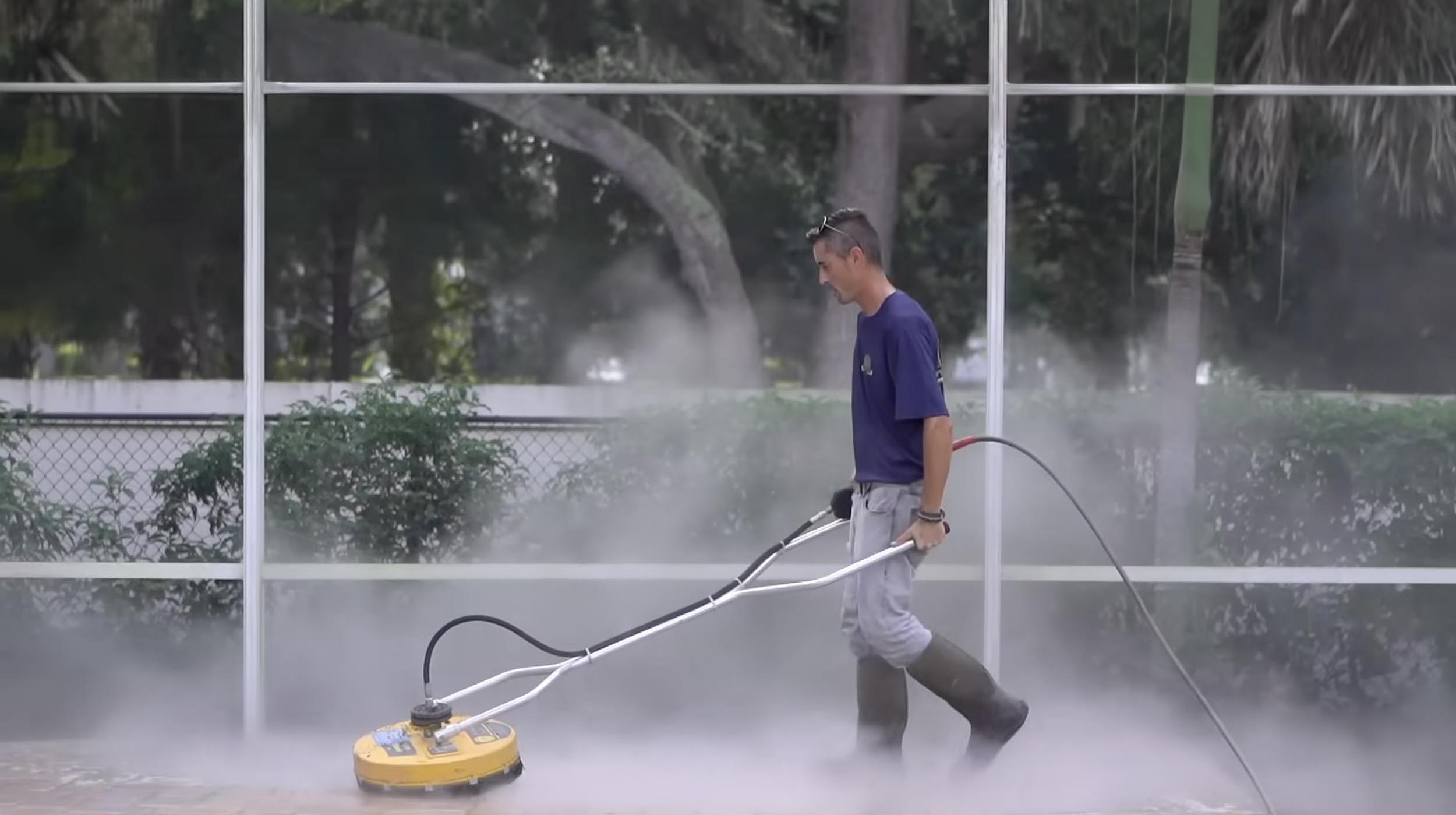
A walkthrough of our process, including repairs, replacement, steam cleaning, polymeric sand installation, and sealing.
What to Expect from Our Technicians
Clear communication, attention to detail, and professional work from start to finish on every project.
About Perfect Paver Co
We don’t take shortcuts. Our in-house technicians communicate clearly so you feel confident in your project.
What We Do
See what sets Perfect Paver Co apart and why clients across the United States choose us.
Our Paver Restoration Process
A walkthrough of our process, including repairs, replacement, steam cleaning, polymeric sand installation, and sealing.
What to Expect from Our Technicians
Clear communication, attention to detail, and professional work from start to finish on every project.
These videos answer some of the most common questions we receive about paver restoration, sealing, and long-term maintenance. Hear straight from our experts!
Sealing protects your pavers, but aftercare and maintenance are crucial. Regular cleaning helps preserve color, prevent weed growth, and keep joints stable. Learn more about aftercare and maintenance.
Three conditions allow for weeds, mold, and algae growth: sun exposure, inadequate drainage, and lack of maintenance. A combination of maintenance and sealing is essential for long-term paver care.
Decomposing organic material on your patio can create the perfect environment for weeds to grow. The solution? Regularly clearing leaves and clippings.
Yes. Sealing newly installed pavers protects against UV damage, rain, and mold growth. It should be completed 30 to 60 days after installation.
When it comes to sealing pavers, more is not always better. We ensure proper coverage and consistency with pre-mixed sealers. Learn more about our paver sealing process.
Our specially formulated polymeric sand is a specialized joint material that hardens when activated with water. It helps lock pavers together, prevents sand from washing out, and reduces vegetation growth in the joints.
Moisture can cause serious damage to your pavers and polymeric sand. See the impact of surface drainage, roof drainage, water buildup—and the correct way to install to prevent these issues.
Pavers turn white for two reasons: when a non-breathable sealer is used versus a breathable sealer, and due to efflorescence. Our team can correct this through sealer stripping and restoration, restoring the natural look of the surface.
Travertine and other natural stones are porous. Without sealing, they absorb water, stains, and contaminants that can damage the surface over time. Sealing protects the stone while preserving its natural appearance. Learn more about our process for natural stone.
It depends on the current condition of your pavers. Sealing does dramatically improve appearance by enhancing color and protecting the surface. Combined with cleaning and repairs, it can make older pavers look significantly refreshed.
Sealing protects against rain damage. See how water runoff can damage the surface of unsealed concrete pavers, while sealed pavers maintain their appearance and durability.
Staining pavers enhances the natural hues of the pavers without masking them, resulting in a more vibrant and natural look. See the process first-hand.
A proper, cement-based edging system (instead of traditional spikes in dirt) provides better durability, structural integrity, and a cleaner look.
Loose pavers are often caused by poor installation, such as gluing pavers directly onto gravel and dirt.
See an example of how a weak base and wall cause steps to shift and lean. The solution: replacing the base with concrete and securing the wall.
If you’re ready to restore your outdoor space the right way, we’re here to help. Get a professional evaluation and learn exactly what your pavers need to look great again.


Built on decades of hands-on experience, Perfect Paver Co doesn’t just clean—our team is obsessed with perfection. Let’s restore your outdoor spaces!